Cart 0

 Housing Policy

California needs to increase teacher recruitment and retention, especially for Black educators and other educators of color. California needs to make housing affordable, particularly for communities who have experienced housing discrimination and for middle class families.

While efforts have been made to build affordable housing for educators, the focus thus far has not been on homeownership— leaving educators out of the wealth and community building that owning a home provides. This multi-faced problem requires creative solutions.

Housing Policy. Header.png

The Problems

The Problems

Teacher Retention

  • At 22:1, CA ranks as having the highest student to teacher ratio of any state.

  • The teacher shortage is being driven by attrition-- teachers leaving the profession for other careers.

  • Housing affordability has been identified by educators as a key driver out of the classroom and into other career paths.

Housing Affordability

  • The cost to purchase a home in California is twice that of a typical US home.

  • Educator wages have not kept pace with the rising cost of housing, making the average educator housing burdened.

  • In Los Angeles, a teacher making an average salary would spend 54% of their total salary on a bottom-tier home.

Black Educators

  • California has a persisting issue of representation, with Black teachers only making up 3.5% of teachers statewide.

  • Black students are most impacted by the ongoing teacher shortage.

  • The low wages and lack of affordability of a career in education erodes both the Black teaching workforce and the Black middle class.


TEACHER VILLAGE HOUSING


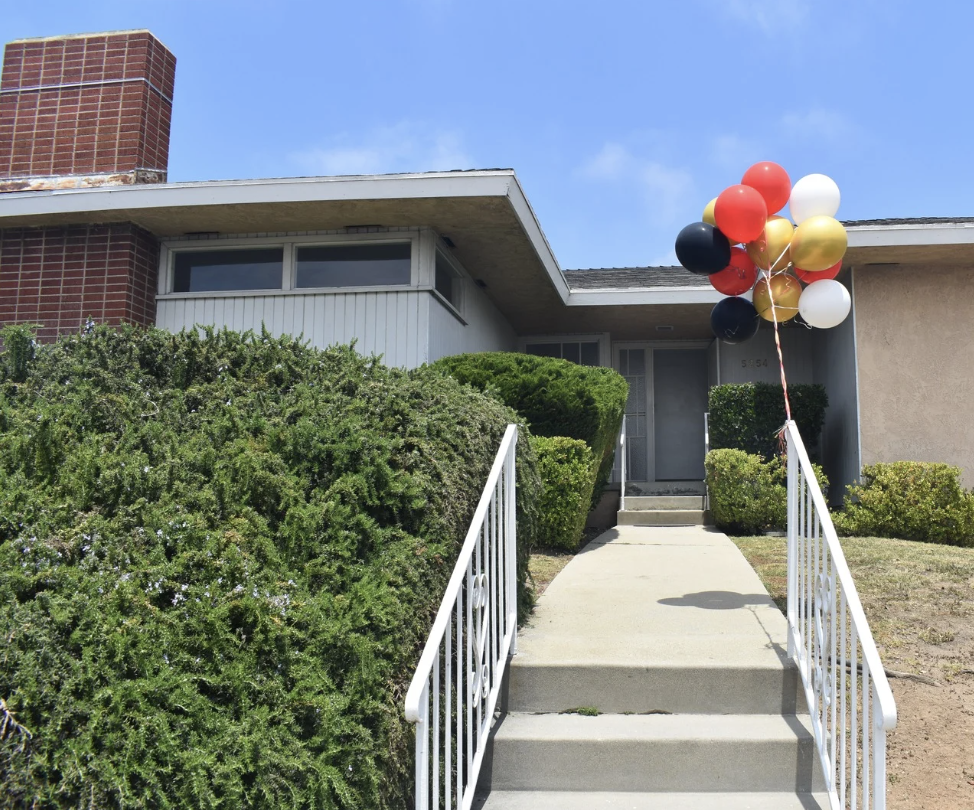
The Carter G. Woodson House

The flagship WOPF Village House provides housing with affordable rents to male educators. In the Pico-Union neighborhood, the Woodson House has several schools in walking distance. Named for the father of Black History Month, the Woodson house is a mark of Black History in the making. The home has 5 bedrooms and in the 3 years since opening, has housed 8 educators.


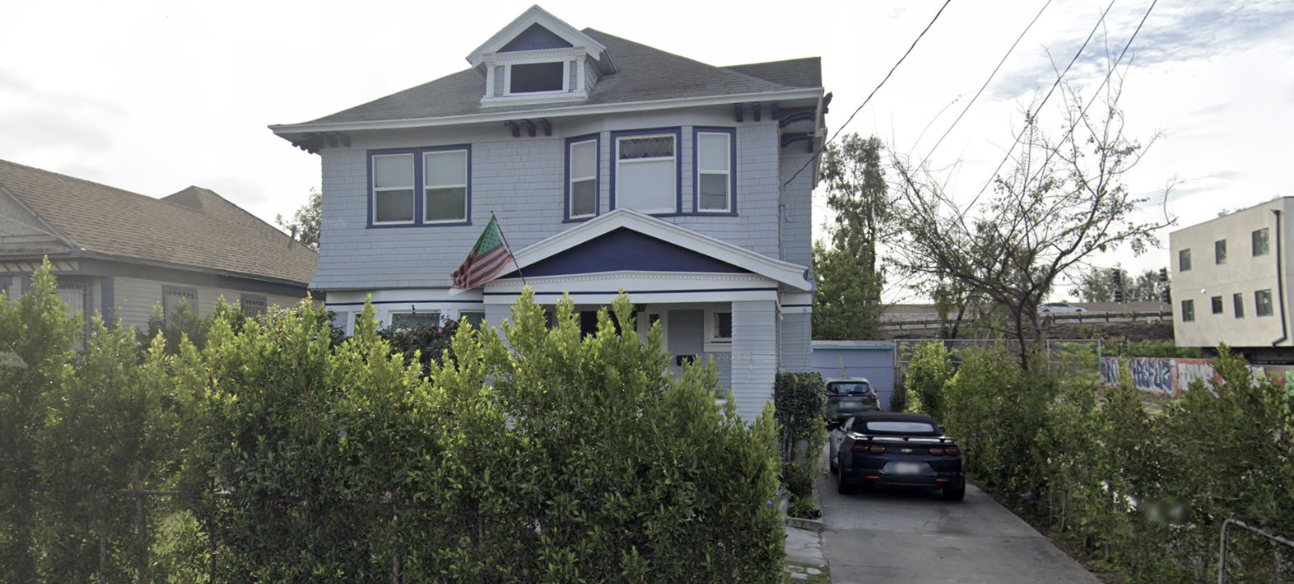
The Septima Clark House

The second WOPF Village House debuted in 2025, providing housing for female educators. Named for the iconic educator, Septima Clark who led Freedom Schools throughout the Deep South, teaching reading literacy, citizenship, and empowering Black children and voters. This home boasts three bedrooms for female educators in historic View Park-Windsor Hills neighborhood.

BUY BACK THE BLOCK.

BUY BACK THE BLOCK.

In addition to our Teacher Village Housing, which provides affordable rents for current educators of color, Watts of Power Foundation has developed our policy platform, “Buy Back the Block”, centered on a reparative approach to make homeownership possible for educators again. Using feedback from educators across the state, we have identified key initiatives to increase educator homeownership.

  1. ESTABLISH TARGETED DOWN PAYMENT ASSISTANCE GRANTS

  2. CREATE EDUCATOR HOUSING TRUSTS

  3. INVEST IN FURTHER DEVELOPMENT OF EDUCATOR WORKFORCE HOUSING

  4. INITIATIVE FIRST LOOK PURCHASING FOR EDUCATORS

  5. ESTABLISH A PILOT OF REPARATIVE TRANSFERS FOR BLACK EDUCATORS

Buy Back the Block Header.png

By implementing targeted investments into neighborhoods experiencing patterns of harm, California can redress its historical racism and advance racial equity through our schools and in our communities.

Through implementation of these policies, we expect to see:

  • increased recruitment and retention for teachers of color

  • reduced teacher attrition in high-need areas

  • deeper community ties between educators, students, and families

  • mitigation of gentrification in historically Black neighborhoods

  • reparative justice for California’s Black communities, including increased student and educator success

Presentation Widescreen Size (18).png

Our Home Ownership Story


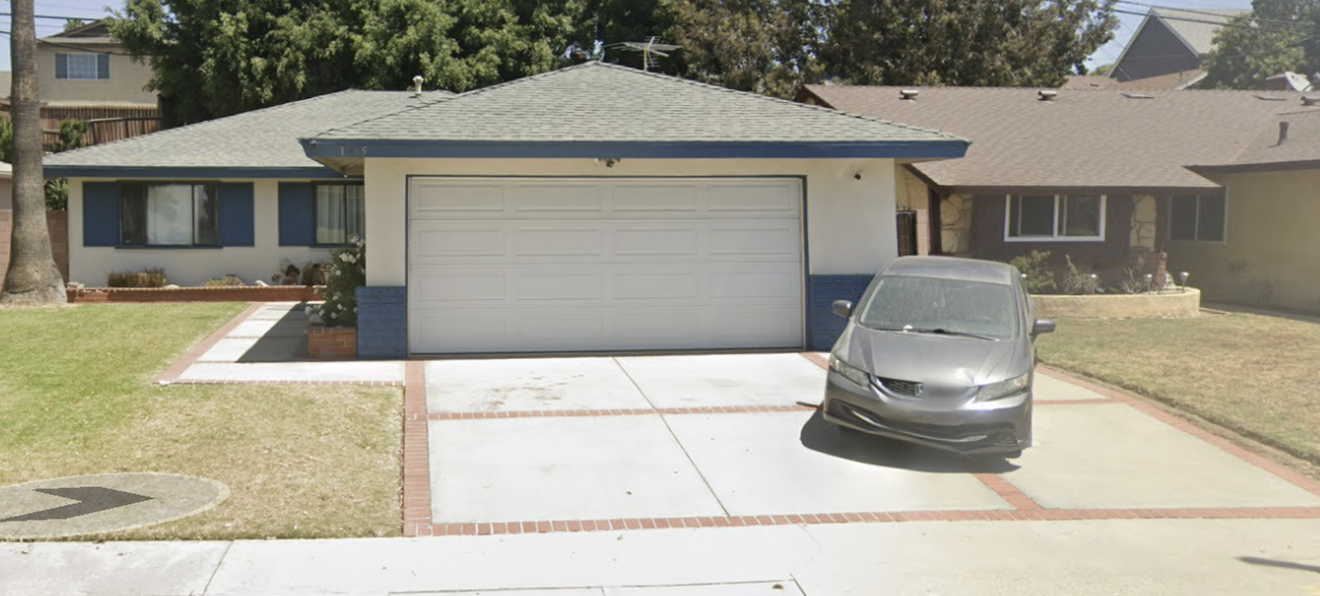
Drs. Peter & Didi Watts bought their first home in 1998 for $120,000 in the City of Compton. With down payment assistance, they were able to purchase their first home.

Three years later, the market changed and the house value increased. Through the accrued equity, they were able to sell the Compton House to purchase a home in Carson at $235,000 without additional financing.

In 2014, Dr. Peter Watts got a job working for a faith-based nonprofit which provided no-cost housing. The Watts were able to live in the employer-provided housing for six years, eventually turning the home into the first Teacher Village House.